
 English



Jeans
Why Jeans Feel Different Throughout the Day

Jeans are one of the most dependable pieces in any wardrobe, yet they rarely feel the same from morning to night. A pair that feels snug and structured early in the day may become softer, looser, or even slightly restrictive by evening. This change isn’t imagined—it’s the result of how denim is constructed, how soft it is, and how flexible it becomes with movement. Understanding these factors explains why jeans evolve with you throughout the day and how they support all-day wear.
The Structure of Denim and Its Daily Impact
Denim is traditionally made using a twill weave, where diagonal ribs are visible on the surface. This weave gives jeans their strength and durability, but it also creates a fabric that responds slowly to movement. In the morning, denim often feels firm because the fibers are settled and compact. After hours of walking, sitting, and bending, the weave relaxes slightly, allowing the fabric to adapt to your body.
Heavier denim tends to hold its shape longer, which can make it feel stiffer at first and more structured throughout the day. Lighter denim, on the other hand, loosens more quickly, offering comfort sooner but sometimes losing structure by evening. This balance between structure and adaptability plays a major role in how jeans feel over time.
Softness: How Denim Breaks In
Softness in denim is not always immediate. Many jeans start the day feeling crisp, especially if they are new or freshly washed. As the day progresses, warmth from your body and repeated motion help the fibers relax. This is why jeans often feel more comfortable after several hours of wear.
Over time, repeated daily wear permanently softens denim. The fibers gradually lose rigidity, creating that familiar broken-in feel. This natural softening process is why older jeans often feel more comfortable than brand-new ones, even if they are made from the same material.
Flexibility and Movement Throughout the Day
Modern jeans often include a small amount of stretch fiber blended into the denim. This added flexibility allows the fabric to move with you rather than resist motion. In the morning, stretch denim may feel supportive and fitted. As the day goes on, the stretch fibers adapt to your movements, reducing pressure around the waist, hips, and knees.
Without flexibility, traditional rigid denim can feel restrictive after long hours of wear. Stretching improves comfort by allowing jeans to recover their shape after movement, though excessive stretching can sometimes make jeans feel looser by the end of the day. The right balance of flexibility ensures comfort without sacrificing structure.
Body Temperature and Fabric Response
Denim is sensitive to temperature. As your body warms throughout the day, the fibers become more pliable. This subtle change can make jeans feel softer and more accommodating in the afternoon than they did in the morning. Cooler environments may make denim feel firmer again, while warmth encourages relaxation in the fabric.
This interaction between body heat and denim structure explains why jeans often feel different indoors compared to outdoors, or after prolonged periods of activity versus rest.
Sitting, Standing, and Daily Wear Patterns
Daily movements significantly affect how jeans feel. Sitting for long periods causes fabric to crease and stretch at the hips and knees. Standing and walking redistribute tension across the legs and waist. Over the course of a day, these repeated motions shape the denim to your posture and habits.
This is why jeans may feel tighter in certain areas by evening and looser in others. The fabric remembers where it has been stressed most and responds accordingly.
Finding Jeans That Feel Good All Day
Comfortable all-day wear comes down to choosing denim with the right combination of structure, softness, and flexibility. Jeans that are too rigid may feel uncomfortable later in the day, while overly soft denim may lose shape too quickly. Balanced construction allows jeans to support movement while maintaining their fit from morning to night.
Final Thoughts
Jeans feel different throughout the day because denim is a living fabric—it responds to movement, warmth, and time. The structure provides durability, softness develops with wear, and flexibility supports daily motion. Together, these elements create a garment that evolves with you, offering a unique wearing experience every time you put it on.
Categories
-
 Women
65
Women
65
-
 Bottom Wear
59
Bottom Wear
59
-
 Western Wear
39
Western Wear
39
-
 Maternity Wear
10
Maternity Wear
10
-
 Women's Inners
50
Women's Inners
50
-
 Men's
68
Men's
68
-
 Men Traditional Wear
20
Men Traditional Wear
20
-
 Men Western Wear
30
Men Western Wear
30
-
 Men Inners
48
Men Inners
48
Trending Now
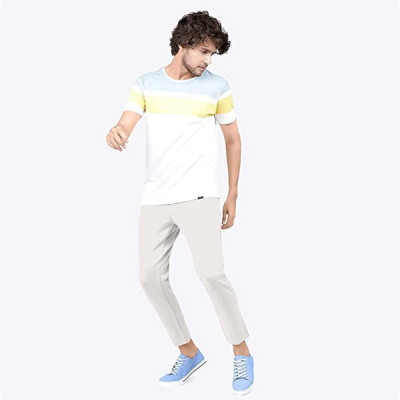
Men's Slim Fit Formal Trousers/Pant
Rs.543.00
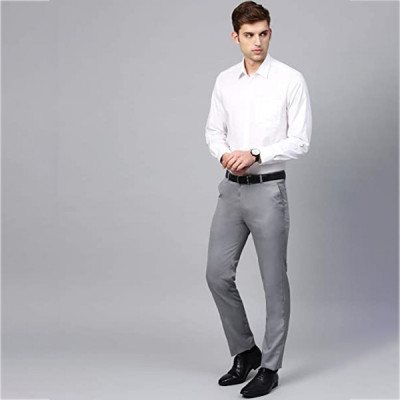
Men's Slim Fit Formal Trousers
Rs.707.00
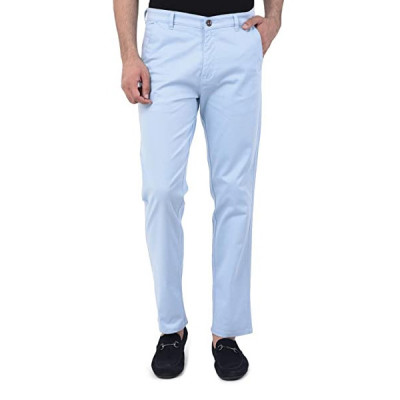
Men's Regular Fit Pants
Rs.544.00
Men's Slim Casual Trouser
Rs.800.00