
 English



Shirt Comfort
How Shirt Fabrics Impact Everyday Ease
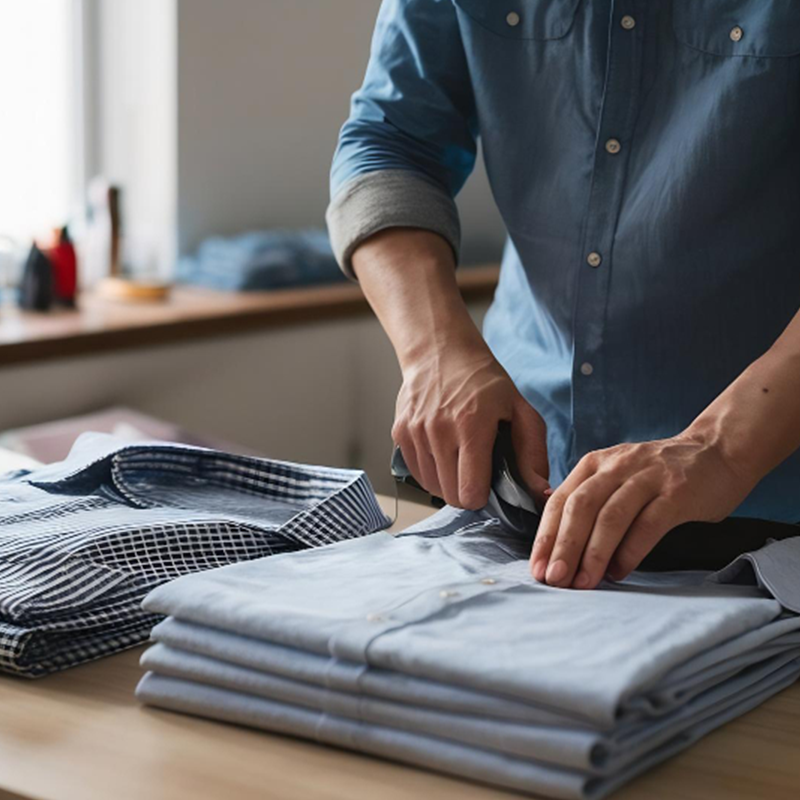
Shirts are among the most frequently worn garments for both men and women, seamlessly fitting into work routines and casual moments alike. While design and fit play visible roles, true everyday ease comes from the fabric itself. Shirt fabrics influence how comfortable a garment feels during long hours, how it responds to movement, and how well it adapts to changing environments. Understanding these fabric qualities explains why some shirts feel effortless all day while others become uncomfortable over time.
Fabric Feel and First Impressions
The first thing noticed when wearing a shirt is how the fabric feels against the skin. Smooth, soft fabrics create immediate comfort, reducing friction and irritation during wear. Rough or overly stiff materials may look polished but can feel restrictive after extended use.
For everyday wear, fabrics that feel gentle from the start tend to remain comfortable longer. This is especially important for work shirts worn for many hours, where constant contact with the skin amplifies even minor discomfort.
Breathability and Daily Comfort
Breathability is one of the most important factors in shirt comfort. Fabrics that allow air to circulate help regulate body temperature, keeping the wearer comfortable throughout the day. In work environments or during casual outings, breathable shirts prevent the buildup of heat and moisture.
Poorly breathable fabrics can trap warmth, leading to discomfort and fatigue. Shirts designed for everyday ease prioritize airflow, making them suitable for long hours and varying activity levels.
Fabric Weight and All-Day Wear
The weight of a shirt fabric greatly affects how it feels over time. Lightweight fabrics feel easy and unrestricted, making them ideal for daily use. They reduce the sense of heaviness and allow natural movement without pulling or resistance.
Medium-weight fabrics provide structure while still maintaining comfort, making them versatile for both professional and casual settings. Heavier fabrics may feel durable but can become tiring when worn throughout the day, especially during warmer conditions.
Movement and Flexibility
Everyday life involves constant movement—walking, sitting, reaching, and bending. Shirt fabrics must adapt to these motions without feeling tight or restrictive. Flexible fabrics move naturally with the body, supporting ease in both work and casual environments.
When a fabric resists movement, the shirt may feel uncomfortable by midday. Fabrics that shift easily or offer subtle stretch help maintain comfort, allowing the shirt to feel supportive rather than confining.
Structure Versus Softness
Work shirts often require a more structured appearance, while casual shirts prioritize softness. The most comfortable everyday shirts strike a balance between these two qualities. Structure helps maintain shape and polish, while softness ensures the fabric remains pleasant against the skin.
Overly structured fabrics may feel stiff after hours of wear, while extremely soft fabrics may lose their form too quickly. Balanced fabrics offer stability without sacrificing comfort.
How Fabrics Respond Over Time
As shirts are worn throughout the day, fabric behavior changes. Body heat and movement encourage fibers to relax, making the shirt feel softer and more accommodating. High-quality fabrics adapt gradually, improving comfort without losing shape.
Lower-quality materials may either remain stiff or stretch unevenly, causing discomfort by the end of the day. Fabrics that respond well to wear tend to feel more natural and reliable for daily use.
Work and Casual Comfort Differences
Work shirts often demand longer wear times and more structured looks, making fabric choice crucial for sustained comfort. Casual shirts allow more freedom but still benefit from breathable, flexible fabrics. In both cases, the right fabric ensures the shirt supports daily routines without constant adjustment.
Final Thoughts
Shirt comfort is shaped by fabric feel, breathability, weight, and movement. Whether worn for work or casual use, the right fabric transforms a shirt into an effortless everyday essential. When fabrics balance structure with softness and adapt well to movement, shirts remain comfortable from morning through evening, making daily wear feel easy and natural.
Categories
-
 Women
65
Women
65
-
 Bottom Wear
59
Bottom Wear
59
-
 Western Wear
39
Western Wear
39
-
 Maternity Wear
10
Maternity Wear
10
-
 Women's Inners
50
Women's Inners
50
-
 Men's
68
Men's
68
-
 Men Traditional Wear
20
Men Traditional Wear
20
-
 Men Western Wear
30
Men Western Wear
30
-
 Men Inners
48
Men Inners
48
Trending Now
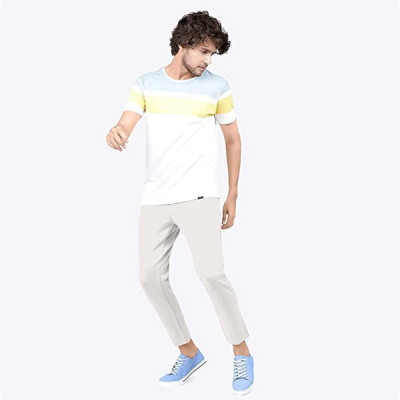
Men's Slim Fit Formal Trousers/Pant
Rs.543.00
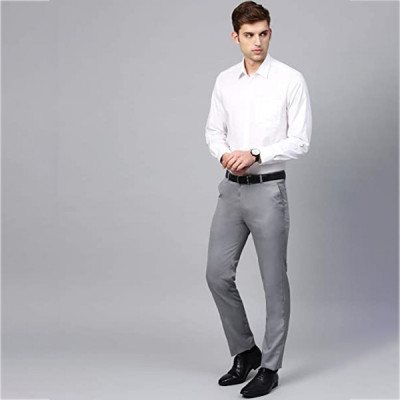
Men's Slim Fit Formal Trousers
Rs.707.00
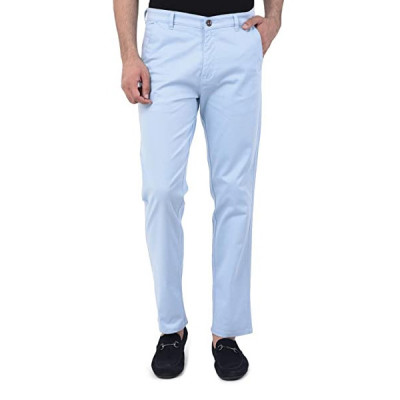
Men's Regular Fit Pants
Rs.544.00
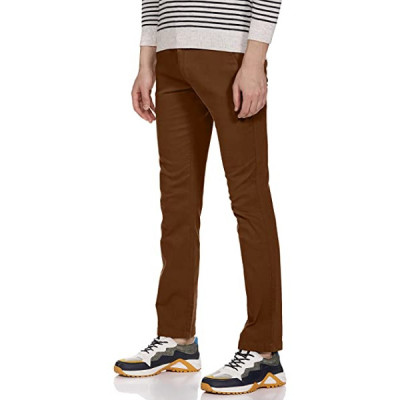
Men's Slim Casual Trouser
Rs.800.00